Property in Semarang's Industrial Areas: An Opportunity Investors Often Overlook
31 July 2026
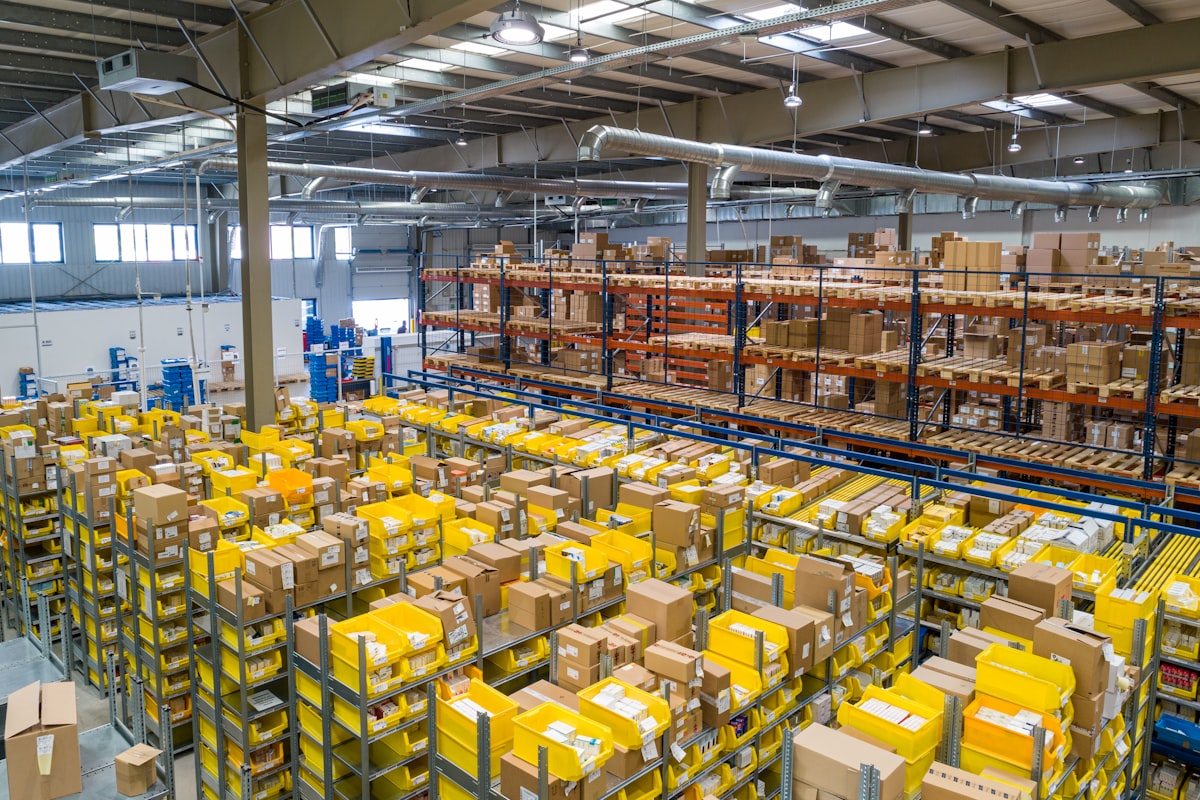
When property investors talk about Semarang, the conversation almost always revolves around residential properties and commercial shophouses. Yet there's a segment that often slips off individual investors' radar: property in industrial areas — warehouses, factory lots, logistics buildings, and other properties supporting industrial zones. This segment has characteristics quite different from residential property, and deserves more than a passing glance from investors serious about diversifying their property portfolio.
Why Are Semarang's Industrial Areas Growing?
Semarang has several structural advantages that support sustained growth of its industrial areas:
- Port and logistics position. Tanjung Emas Port makes Semarang a vital gateway for goods flowing to and from Central Java, southern Central Java, and distribution toward East Java. Growing port activity drives demand for warehousing and logistics facilities nearby.
- Improving toll road connectivity. The toll network connecting Semarang to Demak, Salatiga, Solo, Kendal, and other Central Java cities eases goods distribution and industrial workforce mobility.
- Labor cost advantage. Central Java consistently remains a destination for the relocation of labor-intensive industries from regions with higher minimum wages. This drives continuous development of new industrial areas around Semarang.
- Government support for planned industrial zones. Various industrial areas along the Semarang corridor receive infrastructure support from local and central government, including access roads, utilities, and permit facilitation through various investment programs.
Types of Industrial Property and Their Profiles
Industrial property is not a single monolithic category. There are several sub-segments with very different investment profiles:
- Large-scale factory lots in planned industrial zones. Typically over five thousand square meters, with very specific and rigid designated uses. The barrier to entry is very high — this is generally the domain of institutional or corporate investors, not individual property investors.
- Mid-size distribution warehouses. Sized between five hundred and three thousand square meters. A more accessible segment for individual investors or mid-sized companies with sufficient capital. Demand from e-commerce players, FMCG distributors, and mid-scale manufacturers is fairly consistent and growing alongside the digital economy.
- Warehouse shophouses. A format combining a business-facing area such as a showroom or small office at the front with warehouse space at the back. Often sought by SMEs that need both physical presence and adequate storage in one location.
- Properties supporting industrial areas. This is the most accessible segment and often overlooked: shophouses in the immediate ring around industrial zones, factory worker boarding houses (kos), and mixed-use properties that serve the daily needs of thousands of workers. Demand here is very defensive and unaffected by e-commerce cycles or residential market tastes.
Return Characteristics Different from Residential
Industrial properties and their supporting properties generally offer higher rental yields than residential properties in comparable areas, but with a different risk profile:
- Longer lease terms. Industrial tenants — manufacturing companies, distributors, logistics operators — tend to sign leases of three to five years or more. This provides far better income certainty than residential tenancies, which cycle monthly or yearly.
- Vacancy periods can be longer when a unit is empty. When a tenant leaves, finding a replacement tenant for a specific industrial property can take longer than for residential property. Searching for a new tenant can take months.
- Lower maintenance for standard warehouses. There's no air conditioning, furniture, or complex facilities to maintain — but structural repair costs can be significant if there's damage to the roof, concrete floor, or major utility systems.
- Demand is more directly affected by economic cycles. Industrial property is more sensitive to manufacturing and logistics conditions — two sectors that are more cyclical than the more defensive demand for housing.
Considerations Before Entering This Segment
Industrial property requires more specific understanding than residential property. A few things to confirm before buying:
- Verify zoning carefully. Not all land near industrial areas can be used for industrial functions. Check the local RDTR (Detailed Spatial Plan) before buying — a zoning mistake can be very costly and difficult to correct.
- Know your target tenant profile before buying. Industrial property investment is much more solid if you already have a clear picture of who your prospective tenants are. Buying without understanding specific demand is unmeasured speculation.
- Permit due diligence is more critical. Properties used for industrial activities require an IMB or PBG matching the designated use. Discovering permit issues after purchase can be very costly to resolve.
- Larger capital required, lower liquidity. Industrial property generally requires more capital and is harder to sell quickly than residential property — an exit strategy needs to be considered from the start.
The wisest entry point for individual investors interested in this segment but without experience: start with properties supporting industrial areas — worker boarding houses (kos) or shophouses in the immediate ring around an industrial zone — before moving directly into warehouses or industrial lots. You can learn the market dynamics with more liquid assets, more affordable costs, and far lower vacancy risk.