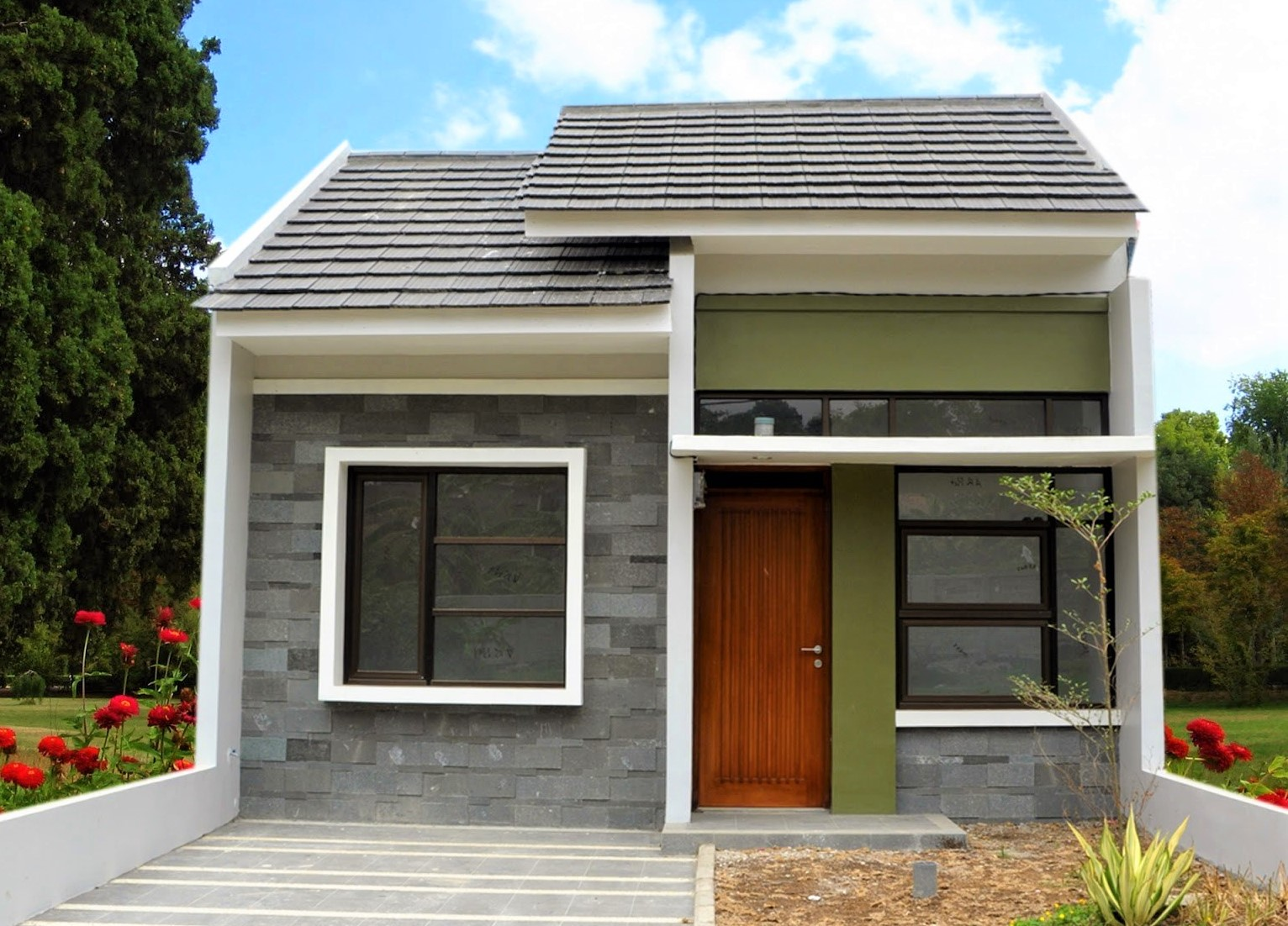
Cheap House Below Market Price: Opportunity or Red Flag? This is really promising. Checklist: legal status, disputes, building condition, access, reason for selling.
22 September 2026
The question isn't just:
"Why is this house cheap?"
But rather:
"What makes it possible to sell it this cheap?"
A below-market price doesn't automatically mean there's a problem
Let's clarify one thing first.
A house sold below market price is not always a red flag.
There are many reasonable reasons why an owner might sell a house at a lower price.
For example, the owner:
- needs funds quickly
- is moving to another city
- inherited the house
- wants to quickly settle certain obligations
- already owns another house
- is in the process of settling a family asset division
In situations like these, the owner may genuinely be willing to accept a lower price so the transaction can proceed more quickly.
So, a cheap price can be an opportunity.
The problem arises when the low price turns out to be due to an issue that only becomes known after you've bought the property.
That's why you shouldn't get too excited right away.
Find out the reason.
First: Check the legal status
This should be one of the first things you check.
Before going too far into discussing the interior, the number of rooms, or renovation potential, make sure the property's legal status is clear.
Some things to pay attention to include:
- the type and status of the certificate
- the name of the rights holder
- whether the owner's identity matches the party selling
- the land status
- the land boundaries and area
- relevant building documents
- tax status or related obligations
- whether there are other rights or encumbrances on the land
Why does this matter?
Because you don't want to get a cheap price only to spend time and money resolving administrative issues that should have been known from the start.
If there are documents that aren't clear, don't treat it as mere formality.
Ask for an explanation.
And for high-value transactions, have the check carried out by a competent party such as a PPAT/notary as needed for the transaction.
Second: Find out if there's a dispute
This is one possibility that needs to be checked when a house is offered far below the price of similar properties.
For example, it turns out:
ownership is being contested,
there's an inheritance conflict,
or
another party is claiming rights to the property.
If that's the case, the low price certainly has consequences.
What looks like a big discount could turn into a long and expensive process.
That's why you shouldn't just ask the seller:
"This house is safe, right?"
A question like that is too general.
It's better to ask:
"Is this property currently under dispute or has it ever had ownership issues?"
And don't stop at a verbal answer.
The documents still need to be checked.
Third: Check the building's condition
Sometimes a house looks cheap because it actually requires significant expenses after purchase.
From the outside, it might look ordinary.
But upon closer inspection, it turns out:
- the roof needs repair
- there are leaks
- the electrical wiring is old
- the pipes are problematic
- there are cracks
- the bathroom needs renovation
- the building structure needs further inspection
- many parts of the house are no longer usable
For example, the market price for similar houses is Rp700 million.
This house is offered at Rp550 million.
"Wow, that's a Rp150 million saving!"
But after calculating, it turns out you need Rp200 million for renovation and repairs.
In the end, the real price isn't Rp550 million.
Rather:
Rp550 million + renovation costs + other costs.
So don't just compare the purchase price.
Also compare the total cost until the house is ready to live in.
Fourth: Don't forget to check the access
This is one red flag that's often only noticed after the house is purchased.
The house is nice.
The price is cheap.
The certificate is clear.
But the road leading to the house is too narrow.
Or car access is difficult.
Or the road isn't a comfortable one for everyday use.
For the current owner, it might not be an issue because they're already used to it.
But for other prospective buyers, this condition could be a major consideration.
Try doing something simple:
Come using the vehicle you normally use every day.
Experience the access yourself.
Can a car get through?
What happens if two cars pass each other?
What's the road condition like when it rains?
Is there an alternative access route?
Don't just look at the location on a map app.
Come in person.
Because a map can't always show you what it's really like to live there.
Fifth: Ask why the house is being sold
This may be the simplest question, but it's very informative.
Try asking:
"May I ask why this house is being sold?"
The owner's answer can help you understand the context of the price.
For example:
"We're moving out of town."
This can be a fairly reasonable reason.
Or:
"I need funds quickly."
There may indeed be a financial need that makes the owner willing to sell at a lower price.
But if the answer is unclear, keeps changing, or you sense information is being deliberately avoided, don't ignore that feeling.
It doesn't automatically mean there's a problem.
But the bigger the price gap from the market, the more important it is for you to understand the reason.
So, how do you know if the price is really "below market"?
This is a part that's also often gotten wrong.
Don't compare your house to another house just because they're in the same city.
A Rp500 million house in one area may not necessarily be comparable to a Rp500 million house in another area.
Compare properties with similar characteristics:
location
land area
building area
building age
house condition
access
area facilities
legal status
and the character of the neighborhood.
Only after that can you get a picture of whether the price is actually attractive.
Because a Rp500 million price might look cheap.
When in fact similar houses in that location typically range from Rp500-550 million.
Which means:
it's not a super cheap house.
That's simply the market price.
A low price can also occur because the owner priced it wrong
Not all sellers have complete market data.
Some owners set the price based on personal needs.
For example:
"I need Rp500 million, so I'll sell this house for Rp500 million."
When in fact the market value of the property might be higher.
In situations like this, you could indeed get an opportunity.
But still carry out the same checks.
A low price is not a reason to skip the checking process.
It's actually the opposite.
The more attractive the price, the more thoroughly you should check it.
Be careful with the phrase "Must be quick!"
The phrase:
"Must be quick, someone else wants it tomorrow."
can make a prospective buyer feel they must decide right now.
Yet buying a house shouldn't ideally be a decision made out of fear of missing an opportunity.
If the property is indeed appealing, still carry out the checks.
Don't let the fear of:
"Someone else will get it first."
make you skip important things.
Especially if the seller asks for a down payment or a large payment before the documents and property status have been properly checked.
A good opportunity can still be checked calmly.
Checklist before being tempted by a cheap house
If you find a house priced far below similar properties, try using this simple checklist:
1. Legal status
Are the ownership documents clear?
2. Disputes
Are there any ownership conflicts, inheritance disputes, or other legal issues?
3. Building condition
Is there damage that would require major expenses?
4. Access
Is the road to the house comfortable and suited to your needs?
5. Neighborhood
What's the surrounding condition, drainage, security, and facilities like?
6. Reason for selling
Why is the owner selling at that price?
7. Comparison price
Is it really below the price of similar properties?
8. Costs after purchase
How much are the renovation, repair, tax, transaction, and other costs?
If most of the answers are clear, only then can you start assessing:
"Is this an opportunity or not?"
Don't forget to calculate the total cost
For example, you find:
House price: Rp500 million
Then it turns out:
Renovation: Rp80 million
Repairs: Rp30 million
Transaction fees and other costs: Rp20 million
So the money you need to prepare is no longer Rp500 million.
The total is already close to:
Rp630 million.
Now compare it again with a similar house that's more ready to move into, priced at Rp650 million.
The difference is only about Rp20 million.
Is that cheap house still the best choice?
Not necessarily.
This is why the selling price alone isn't enough to determine whether a property is truly cheap.
So, is a house below market price an opportunity or a red flag?
It could be both.
A low price can be an opportunity when the seller has a reasonable reason, the legal status is clear, the building condition is acceptable, the access is good, and after calculating all the costs, it still offers attractive value.
On the other hand, a low price should be a red flag when the price gap turns out to be caused by problems that weren't visible at first.
So don't immediately think:
"Cheap = must buy quickly."
It's better to think:
"Cheap = must be more thorough."
Because in buying property, the biggest advantage is sometimes not getting the house at the lowest price.
But rather avoiding buying a cheap house that turns out to require far greater costs afterward.
Before saying "deal", do this one thing
If you find a house whose price feels too good to pass up, hold on for a moment.
Don't transfer the money right away.
Don't just trust the photos.
Don't just trust what the seller says.
And don't just compare prices.
Come, inspect, ask questions, verify the documents, and calculate all the costs.
If after checking everything the price really is attractive?
Well, that's when it can truly be called an opportunity.
Because a good cheap house isn't just a house that's cheap at the time of purchase.
But a house that still makes sense once all the risks have been accounted for.
Looking for a House in Semarang?
Finding a house at an attractive price is indeed exciting, but the decision to buy a property shouldn't be based on price alone.
Legal status, building condition, access, neighborhood, location, and long-term needs also need to be considered.
If you're looking for a house in Semarang and want to compare several options according to your budget and needs, you can discuss it with Mirailand.
Tell Mirailand the criteria for the house you're looking for.
We'll help you find and consider suitable property options, so you don't just find a house that looks cheap, but find a property that truly makes sense to buy.
Mirailand — helping you find the right place to call home.