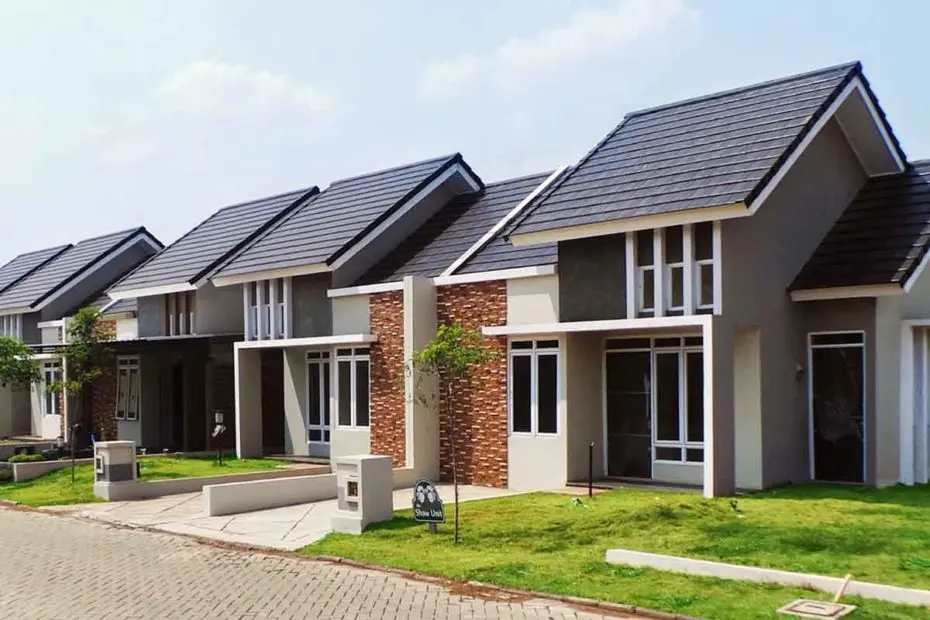
Subsidized Housing Eases the Economic Burden on Indonesian Society
14 March 2025
Housing is one of the most essential basic human needs. However, with land and property prices continuing to soar, not everyone can afford a decent home. To address this issue, the Indonesian government provides a subsidized housing program as a housing solution for low-income communities. Subsidized housing refers to homes built at more affordable prices, which can be owned by low-income families with the help of government subsidies.
What is Subsidized Housing?
Subsidized housing is a type of home whose selling price is lower than market price. This program aims to make it easier for low- and middle-income communities to own their first home. The price of subsidized housing is determined by the government, taking into account community income levels and the location of the housing development.
Several programs are commonly held to support subsidized housing in Indonesia, including:
Healthy Simple Housing Program (RSS)
This program provides subsidized housing aimed at low- and middle-income communities. These homes are designed with fairly standard sizes, while still maintaining quality and comfort for residents.
Prosperous Housing Program for the People (KPR Sejahtera)
This program makes it easier for people to obtain a home with low interest rates through a home mortgage loan (KPR) system. People can purchase homes with light installment payments.
Types of Subsidized Housing
Subsidized housing in Indonesia consists of several types, each aimed at meeting the needs of low-income communities. First, there is Simple Subsidized Housing with type 21, 36, and 45, which offer different building sizes and affordable prices. Second, FLPP Subsidized Housing (Housing Financing Liquidity Facility) provides subsidized mortgages with low interest rates of around 5% per year, suitable for people with a maximum monthly income of Rp 8 million.
In addition, there is Rental Subsidized Housing (Rusunawa), which is affordable simple rental flats for people who cannot yet afford to buy a home. There are also special programs such as Subsidized Housing for Civil Servants/Military/Police (PNS/TNI/POLRI), designed specifically for state apparatus. Lastly, Subsidized Housing for Underdeveloped Regions aims to encourage development in rural or underdeveloped areas. All these types of subsidized housing aim to help low-income communities have decent housing.
Benefits of Subsidized Housing
Subsidized housing offers many benefits for low-income communities. First, the price is affordable, much cheaper than commercial homes. In addition, subsidized mortgage programs like FLPP offer low interest rates, usually around 5% per year, making installments lighter. Government support also makes the application process easier and more secure. By owning their own home, family welfare improves, and subsidized housing locations are often strategic, close to public facilities such as schools and transportation. This program opens opportunities for people who were previously unable to own a decent home.
Challenges and Obstacles
Although subsidized housing offers many benefits, there are several challenges and obstacles that are often encountered. First, the quota for subsidized housing is limited, so many prospective buyers must wait in long queues. In addition, subsidized housing locations are often far from city centers, limiting access to public facilities such as transportation and schools. Building quality is also sometimes complained about as being poor, such as materials that are not durable or designs that are less functional. A complicated application process, lack of information, and land certificate legality issues are also frequently encountered obstacles. On top of that, long queues and limited funds mean not all those in need can be accommodated. Even so, with thorough preparation and good understanding, prospective buyers can overcome these challenges and make more effective use of the subsidized housing program.
Requirements for Obtaining Subsidized Housing
To obtain subsidized housing, prospective buyers must meet several requirements set by the government. First, prospective buyers must be Indonesian citizens (WNI) and must not have owned a home before. The maximum allowed income is usually around Rp 4-8 million per month, depending on the type of subsidized housing and the region. The minimum age of prospective buyers is 21 years and the maximum is 55 years when applying for a mortgage.
Some required documents include an ID card (KTP), Family Card (KK), salary slip or income statement, tax ID (NPWP), and a statement letter from the local sub-district office confirming that the applicant has never owned a home. Prospective buyers must also not currently be participating in another housing subsidy program. For civil servants, military, or police personnel, there are additional requirements such as a minimum length of service. By meeting all these requirements, prospective buyers can apply to obtain subsidized housing. Always make sure to check the latest information, as requirements may change according to government policy.
The Future of Subsidized Housing
The future of subsidized housing in Indonesia is influenced by various factors, including government policy, economic growth, and community demand for affordable housing. Going forward, it is hoped that the quality and design of subsidized housing will improve to be more comfortable and functional. This program will also be expanded to underdeveloped regions to encourage more equitable development. The use of technology, such as the construction of environmentally friendly homes and integrated information systems, will make the application process easier. Collaboration between government and the private sector will also be enhanced to expand the availability of subsidized housing.
The government is expected to continue increasing budgets and subsidies, while focusing on low-income communities by adjusting home prices according to their economic ability. The development of supporting infrastructure, such as roads and transportation, will be a priority. More intensive socialization and better regulation are also needed to ensure transparency and fairness. With these efforts, subsidized housing is expected to remain an effective solution for meeting the need for decent housing among low-income communities, while also driving economic growth and equitable development in Indonesia.
Conclusion
Subsidized housing is a government program aimed at helping low-income communities own decent homes at affordable prices. This program offers various types of housing, such as Simple Subsidized Housing, FLPP (subsidized mortgage), and Rusunawa (rental), as well as special programs for civil servants/military/police and underdeveloped regions. Its main benefits include low prices, low mortgage interest rates, and government support in the application process.
However, challenges such as limited quotas, locations far from city centers, building quality, and complicated application processes remain obstacles. To obtain subsidized housing, prospective buyers must meet requirements such as being an Indonesian citizen, not yet owning a home, having a maximum income of Rp 4-8 million per month, and completing documents such as an ID card, Family Card, and salary slip.
Going forward, the subsidized housing program is expected to continue developing with improved quality, expansion to underdeveloped regions, and the use of technology. In this way, subsidized housing will remain an effective solution for meeting the need for decent housing among low-income communities, while also promoting equitable development in Indonesia.